
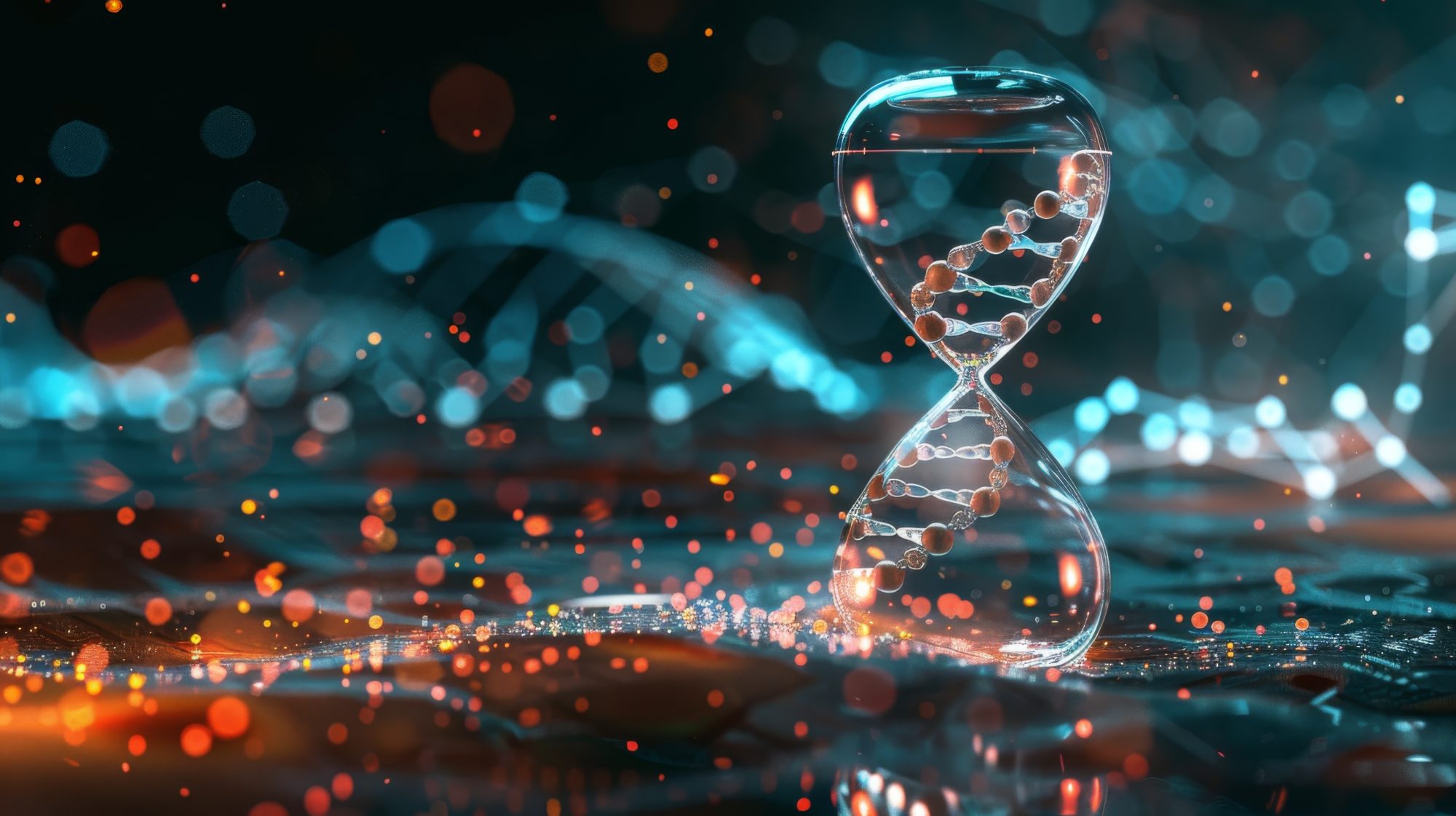
The Biology of Aging Explained
The field of longevity leaves a lot of open space for scam artists. That’s because we don’t fully have the evidence on every aspect of aging. We don’t fully know everything that works and doesn’t work. Because of this, there are so many health claims floating around on the internet, and they often use a lot of complex biological language. Terminology that I would never expect anyone without a medical or biochemistry degree to understand. As such, I decided this week we will discuss the biology of aging. It is important for you to know the evidence-backed facts about aging and the terminology, so that you have some additional ammo when trying to sniff out BS.
From Wrinkles to Molecules: The Twelve Hallmarks
When most people think of aging, they picture wrinkles and grey hair. But there are known biological “hallmarks of aging”. In 2013, Lopez-Otin and colleagues presented nine original hallmarks of aging.1 In 2023, they wrote an updated paper that expanded the hallmarks to twelve.2 They are as follows:
Genomic instability – Human cells are constantly being replicated by the body. In fact, up to 330 billion cells are regenerated each day.3 Mutations and different errors of replication naturally occur with the process of cell regeneration. Our body typically repairs these. However, the body’s capability of repairing those errors becomes less efficient, leading to genomic damage within the cell nucleus and mitochondria over time.
Telomere attrition – Telomeres are protective “caps” of nucleotide sequences that get shortened with every cell replication starting from the moment we are conceived.4 The shortening is linked to several age-associated diseases and cell death.
Epigenetic alterations – Based on our environmental exposures and lifestyle, our DNA can undergo molecular alterations (DNA methylation, histone modifications, and deregulated noncoding RNA) that affect gene expression. These alterations, often reversible, can lead to the development and progression of several age-related human diseases such as cancers, neurodegenerative disorders, metabolic syndromes, and bone disease. (We briefly discussed the difference between genetics and epigenetics last week. I invite you to refer to the article if you need a refresher.)
Loss of proteostasis – Our bodies create and use proteins for a variety of life sustaining activities. Maintaining a balance between the creation, function, and elimination of these proteins is called proteostasis. As we chronologically age, this process becomes imbalanced and leads to cellular and biological aging.
Disabled macroautophagy – Human cells have a built in “garbage disposal” system that involves eliminating waste products or cell components that are no longer of use to the cell. The “garbage disposal” system is called macroautophagy. The inability to eliminate cellular waste products is relevant to aging.
Deregulated nutrient sensing – Nutrient sensing is a very basic process of evolution. Basically, things grow when nutrients are present and shut down when they are not. While the explanation may sound simple or obvious, the actual process is a very complex network of molecular signaling and hormones. During adulthood, the process acquires pro-aging properties.
Mitochondrial dysfunction – I’ve mentioned ATP, adenosine triphosphate, in prior blogs. Well, the mitochondria are what make the bulk of it. One by-product of ATP production are reactive oxygen species, aka, the free radicals we hear about from all the companies who want us to buy their antioxidant products. As the mitochondria age, their ability to produce ATP and clear out reactive oxygen species falters.
Cellular senescence – A senescent cell is one that is no longer growing but still releasing inflammatory signals.5 In a healthy state, this condition typically happens if there is something wrong with the cell. It releases the inflammatory signals, and the immune system destroys the cell. With age, more cells enter this state, and the immune system doesn’t destroy them. As a result, they sit around releasing inflammatory markers and proteins.
Stem cell exhaustion – This one is pretty self-explanatory. When we get injured, our stem cells come to the rescue. Over time, they do not regenerate as well. It is likely due to a combination of all of the above processes occurring within the stem cell.
Altered intercellular communication – Our cells “speak” to one another through complex signaling pathways. Progressive alterations occur in that system, compromising those pathways. Some studies suggest there is a not-yet-discovered pro-aging blood-borne factor in blood leading to this issue.
Chronic inflammation – Inflammaging is the systemic inflammation and circulating inflammatory markers that increase with age. These increases in inflammation are also associated with compromised function of the immune system.
Dysbiosis – The gut microbiome strongly impacts the overall maintenance of host health. It is typically very diverse once established during childhood. However, the activity of the microbiome undergoes gradual changes leading to a general decrease in diversity. Disruption of the bacteria-host bidirectional communication results in dysbiosis.
You will notice that while these are twelve individual hallmarks, they are closely integrated with one another. It is the overlap of these hallmarks that leads to the physiologic changes of aging.
What We Know Works
While there are thousands of studies currently exploring ways to reverse aging, we only have a couple proven interventions, and none of them involve a pill. Caloric restriction and exercise have profound effects on anti-aging.
Caloric restriction is defined as sustained reduction in energy intake without malnutrition. In other words, it involves eating foods that are highly nutritious in moderation. Calorie restriction has demonstrated increased autophagy, decreased reactive oxygen species, decreased inflammation, decreased cellular senescence, increased DNA repair, and preserved mitochondrial function.6 The CALERIE trial demonstrated that a two-year diet with a 25% reduction in caloric intake was associated with a reduction in biological age, upregulation of autophagy, DNA repair, and downregulation of inflammatory pathways independent of weight loss or diabetes status.7
Regular physical exercise also has considerable anti-aging effects by reducing oxidative stress and inflammation, enhancing mitochondrial function, promoting autophagy, and modulating signaling pathways.8-10 It also combats other age-related declines by improving cardiorespiratory fitness, muscle mass, vascular function, and cognitive performance.8,11,12 A recent study demonstrated that moderate-to-vigorous physical activity is independently associated with slower epigenetic aging and younger biological age regardless of age, sex, or BMI.13
Not surprisingly, other lifestyle modifications also have anti-aging effects,14 but caloric restriction and exercise offer the most profound changes.
The Unknown
Scientific research has provided us with a wealth of knowledge regarding the aging process, but there is still so much we do not know. One problem is that many of the studies are done on fruit flies, earthworms, and mice. These organisms are genetically modified by removing or adding certain genes and protein functions. Experiments are then conducted to see what happens biologically as a result of this modification. The lifespan and biological function of a human is not the same as these other organisms. While the studies do provide additional information on which processes may work in humans, they are not human studies. And we can’t conduct the studies in humans. Knocking out a functioning gene or protein in an earthworm is one thing, doing the same thing in a human is unethical and illegal.
We don’t know what initiates these processes. Does some biological flip get switched? Do certain exposures start the process? Do they gradually occur over time? We also don’t know if taking certain supplements, such as alpha-ketoglutarate, NAD+, urolithin A, spermidine, growth hormone, or rapamycin, adds any additional benefit. (That’s another post for another day).
So, for now, optimize the things you can, be wary of treatments that sound too good to be true, and stay tuned because this field is growing.
Disclaimer: Even though I’m a doctor, I’m not your doctor and reading this blog does not establish a doctor–patient relationship. This information is intended for general educational purposes only and should not be taken as personalized medical advice. Always speak with your own healthcare provider before making decisions about your health.
References
- López-Otín C, Blasco MA, Partridge L, Serrano M, Kroemer G. The hallmarks of aging. Cell. 2013;153(6):1194-1217.
- López-Otín C, Blasco MA, Partridge L, Serrano M, Kroemer G. Hallmarks of aging: An expanding universe. Cell. 2023;186(2):243-278.
- Sender R, Milo R. The distribution of cellular turnover in the human body. Nature medicine. 2021;27(1):45-48.
- Whittemore K, Vera E, Martínez-Nevado E, Sanpera C, Blasco MA. Telomere shortening rate predicts species life span. Proceedings of the National Academy of Sciences. 2019;116(30):15122-15127. doi:doi:10.1073/pnas.1902452116
- Huang W, Hickson LJ, Eirin A, Kirkland JL, Lerman LO. Cellular senescence: the good, the bad and the unknown. Nat Rev Nephrol. Oct 2022;18(10):611-627. doi:10.1038/s41581-022-00601-z
- Kritchevsky SB, Cummings SR. Geroscience: A Translational Review. JAMA. 2025;doi:10.1001/jama.2025.11289
- Kraus WE, Bhapkar M, Huffman KM, et al. 2 years of calorie restriction and cardiometabolic risk (CALERIE): exploratory outcomes of a multicentre, phase 2, randomised controlled trial. The lancet Diabetes & endocrinology. 2019;7(9):673-683.
- El Assar M, Álvarez-Bustos A, Sosa P, Angulo J, Rodríguez-Mañas L. Effect of Physical Activity/Exercise on Oxidative Stress and Inflammation in Muscle and Vascular Aging. International Journal of Molecular Sciences. 2022;23(15):8713. doi:10.3390/ijms23158713
- Lu X, Chen Y, Shi Y. Exercise and Exerkines: Mechanisms and Roles in Anti-Aging and Disease Prevention. Experimental Gerontology. 2025;200:112685. doi:10.1016/j.exger.2025.112685
- Rebelo-Marques A, De Sousa Lages A, Andrade R. Aging Hallmarks: The Benefits of Physical Exercise. Frontiers in Endocrinology. 2018;9:258. doi:10.3389/fendo.2018.00258
- Pedersen BK. Which Type of Exercise Keeps You Young? Current Opinion in Clinical Nutrition and Metabolic Care. 2019;22(2):167-173. doi:10.1097/MCO.0000000000000546
- Ara I, Gómez-Cabrera MC, Garatachea N. Exercise as a Therapy for Successful Aging. Scandinavian Journal of Medicine & Science in Sports. 2025;35(9):e70133. doi:10.1111/sms.70133
- Ammous F, Peterson MD, Mitchell C, Faul JD. Physical Activity Is Associated With Decreased Epigenetic Aging: Findings From the Health and Retirement Study. Journal of Cachexia, Sarcopenia and Muscle. 2025;16(3):e13873. doi:10.1002/jcsm.13873
- Cheung V, Yuen V, Wong G, Choi S. The effect of sleep deprivation and disruption on DNA damage and health of doctors. Anaesthesia. 2019;74(4):434-440.
Discover more from The Whole Human Health & Wellbeing
Subscribe now to keep reading and get access to the full archive.
2 comments
Pingback:
Pingback: