
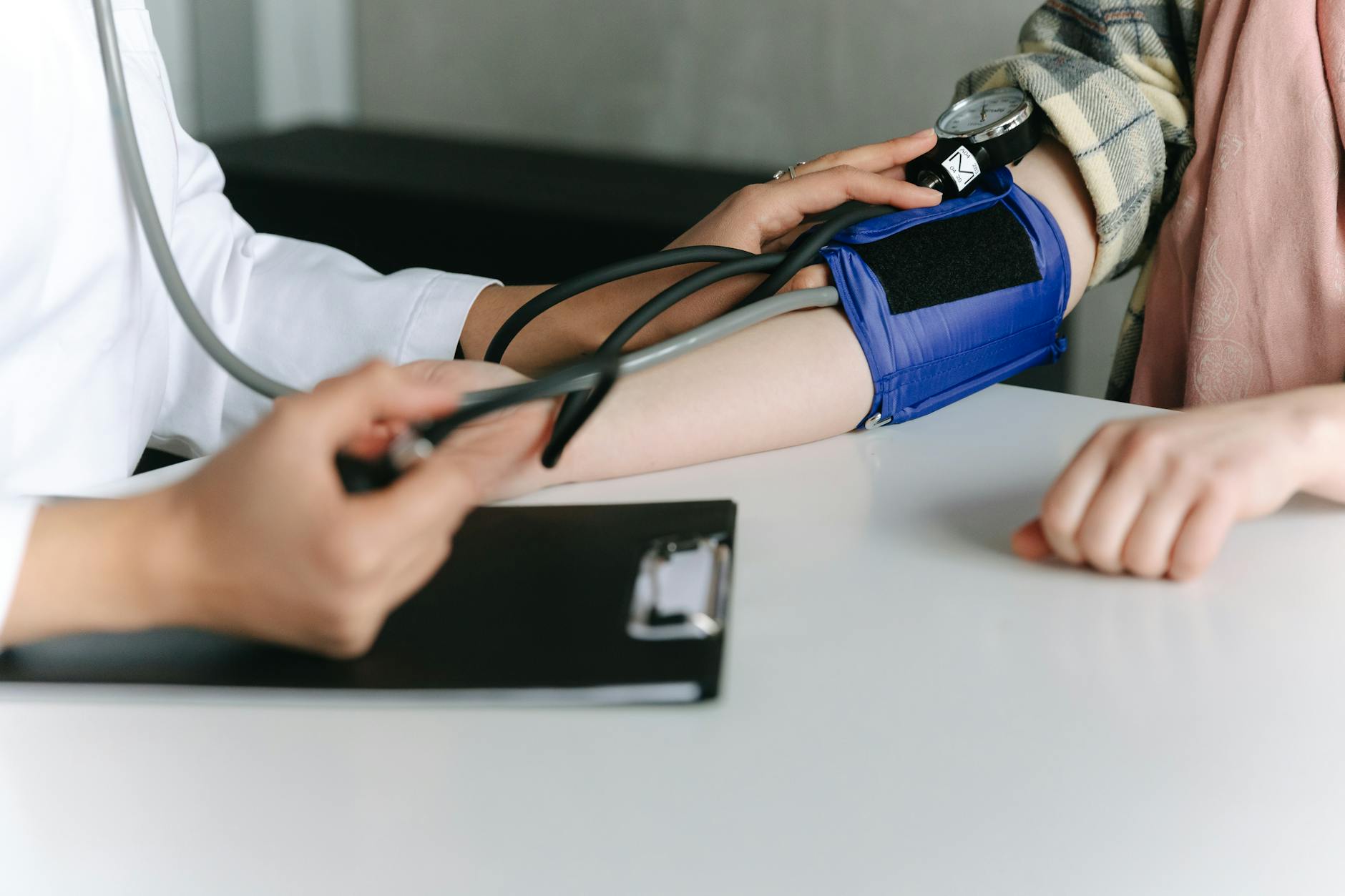
High Blood Pressure & What To Do
High blood pressure, also called hypertension, can be alarming. I get at least one patient on every shift who was sent to the emergency department by their doctor or came to the emergency department on their own out of fear because of high blood pressure. Many fear their high blood pressure will cause a heart attack or stroke. This is not exactly true. While it is true that high blood pressures can be dangerous, it is rarely an emergency even with extremely high pressures. A lot of recommendations and guidelines have changed over the years but not everyone, including some doctors, is up to date on this. This can be very confusing for patients who don’t know why they have high blood pressure, how to lower it, and when it is an emergency. So, what do you need to know about high blood pressure?
What Causes High Blood Pressure
Our heart pumps blood to all our organs, providing oxygenated blood to all of them and removing waste products. The measurement of the force of blood flow throughout our body is our blood pressure. A normal blood pressure is ≤120/≤80. Prehypertension, the stage before you get a diagnosis of high blood pressure, is a blood pressure of 121-129/81-89. Anything ≥130/≥90 is considered high blood pressure.
Blood pressures can increase for various reasons including excessive sodium intake,1,2 genetics,1,2 excessive alcohol use,1,3 certain racial background, such as Black and Latinx,4 obesity,1,5 sleep apnea,6 kidney disease,7 male sex,4 and low socioeconomic status.5 Increased adrenaline levels also cause your blood pressure to rise. Adrenaline increases as part of our fight-or-flight response. Think of the last time you were angry or anxious; your blood pressure was likely high at that moment because of an adrenaline surge. But the difference in these scenarios is your blood pressure will come down on its own over time.
Consequences of High Blood Pressure
High blood pressure is the leading preventable cause of cardiovascular disease and related deaths in the world.8 The main issue with prolonged high blood pressure is it can lead to stroke, heart disease, kidney disease, eye disease, and dementia over time.1,2,7 This means if you have high blood pressure over an extended period of time, you are at risk for the above mentioned conditions. The good news is that many of these consequences can be prevented through lifestyle modifications. Eating less salt and a mainly plant based diet, exercising, losing weight in overweight people, not smoking, and avoiding alcohol have all been proven to decrease blood pressures from 5 – 10 points alone.1-3,9,10 One study demonstrated that patients who strictly adhered to a plant-based diet had evidence of reversed heart disease after 5 years.9,10 (There is similar evidence for diabetes but because we are talking blood pressures, I’ll stick to that for now.)
When Is High Blood Pressure an Emergency?
Many patients present to the emergency department for high blood pressure, and several have no symptoms. They present out of concern for stroke and heart attack.11 Anecdotally, others have been sent at the advice of their physician. Guidelines on blood pressure management have changed over the last few years, so some physicians advise patients to measure their blood pressures at home.12 Unfortunately, many of the home blood pressure monitors are inaccurate and require recalibration,2 leading to asymptomatic patients with elevated readings. When these patients present to the emergency department, they do not require any blood work or immediate blood pressure-lowering medications.13 Instead, they are educated about emergency medicine blood pressure treatment guidelines and discharged.
So, which patients require emergent attention? Those with high blood pressure and symptoms.13 Concerning symptoms are headache, chest pain, trouble breathing, vision changes, flank pain, among several others. Bottom line: if you have high blood pressure and do not feel well, you need an emergent evaluation. If you have high blood pressure and feel perfectly normal, you do not. Instead, you need an evaluation by a primary care doctor to determine if you require medication to help lower blood pressure. If you happen to be overweight, drink daily, smoke, lead a sedentary lifestyle, or eat a lot of meat, there’s an excellent chance you can come off your blood pressure medication with lifestyle changes under your doctor’s care.
Understanding your blood pressure is essential for taking control of your health. Always reach out to your doctor with any questions or concerns. My goal is to empower you with knowledge and evidence-based information, not to provide medical advice and replace your doctor’s expertise. Your doctor has the training to guide you, so make sure to consult with them regarding these matters. And if you are my patient, just text or call, and I’ll get back to you ASAP. Rember, your health is important, and taking these steps is vital for your well-being.
References
1. Pazoki R, Dehghan A, Evangelou E, et al. Genetic predisposition to high blood pressure and lifestyle factors: associations with midlife blood pressure levels and cardiovascular events. Circulation. 2018;137(7):653-661.
2. Messerli FH, Williams B, Ritz E. Essential hypertension. The Lancet. 2007;370(9587):591-603.
3. Briasoulis A, Agarwal V, Messerli FH. Alcohol consumption and the risk of hypertension in men and women: a systematic review and meta‐analysis. The Journal of Clinical Hypertension. 2012;14(11):792-798.
4. Booth III JN, Li J, Zhang L, Chen L, Muntner P, Egan B. Trends in prehypertension and hypertension risk factors in US adults: 1999–2012. Hypertension. 2017;70(2):275-284.
5. Ford ES, Cooper RS. Risk factors for hypertension in a national cohort study. Hypertension. 1991;18(5):598-606.
6. Phillips CL, O’Driscoll DM. Hypertension and obstructive sleep apnea. Nature and science of sleep. 2013:43-52.
7. Barri YM. Hypertension and kidney disease: a deadly connection. Current hypertension reports. 2008;10(1):39-45.
8. Zhou B, Perel P, Mensah GA, Ezzati M. Global epidemiology, health burden and effective interventions for elevated blood pressure and hypertension. Nature Reviews Cardiology. 2021;18(11):785-802.
9. Glenn AJ, Hernández-Alonso P, Kendall CW, et al. Longitudinal changes in adherence to the portfolio and DASH dietary patterns and cardiometabolic risk factors in the PREDIMED-Plus study. Clinical Nutrition. 2021;40(5):2825-2836.
10. Glenn AJ, Guasch-Ferré M, Malik VS, et al. Portfolio diet score and risk of cardiovascular disease: findings from 3 prospective cohort studies. Circulation. 2023;148(22):1750-1763.
11. Taylor C, Ward A. Patients’ views of high blood pressure, its treatment and risks. Australian family physician. 2003;32(4)
12. Logan AG, Dunai A, McIsaac WJ, Irvine MJ, Tisler A. Attitudes of primary care physicians and their patients about home blood pressure monitoring in Ontario. Journal of hypertension. 2008;26(3):446-452.
13. Wolf SJ, Lo B, Shih RD, Smith MD, Fesmire FM. Clinical policy: critical issues in the evaluation and management of adult patients in the emergency department with asymptomatic elevated blood pressure. Annals of emergency medicine. 2013;62(1):59-68.