
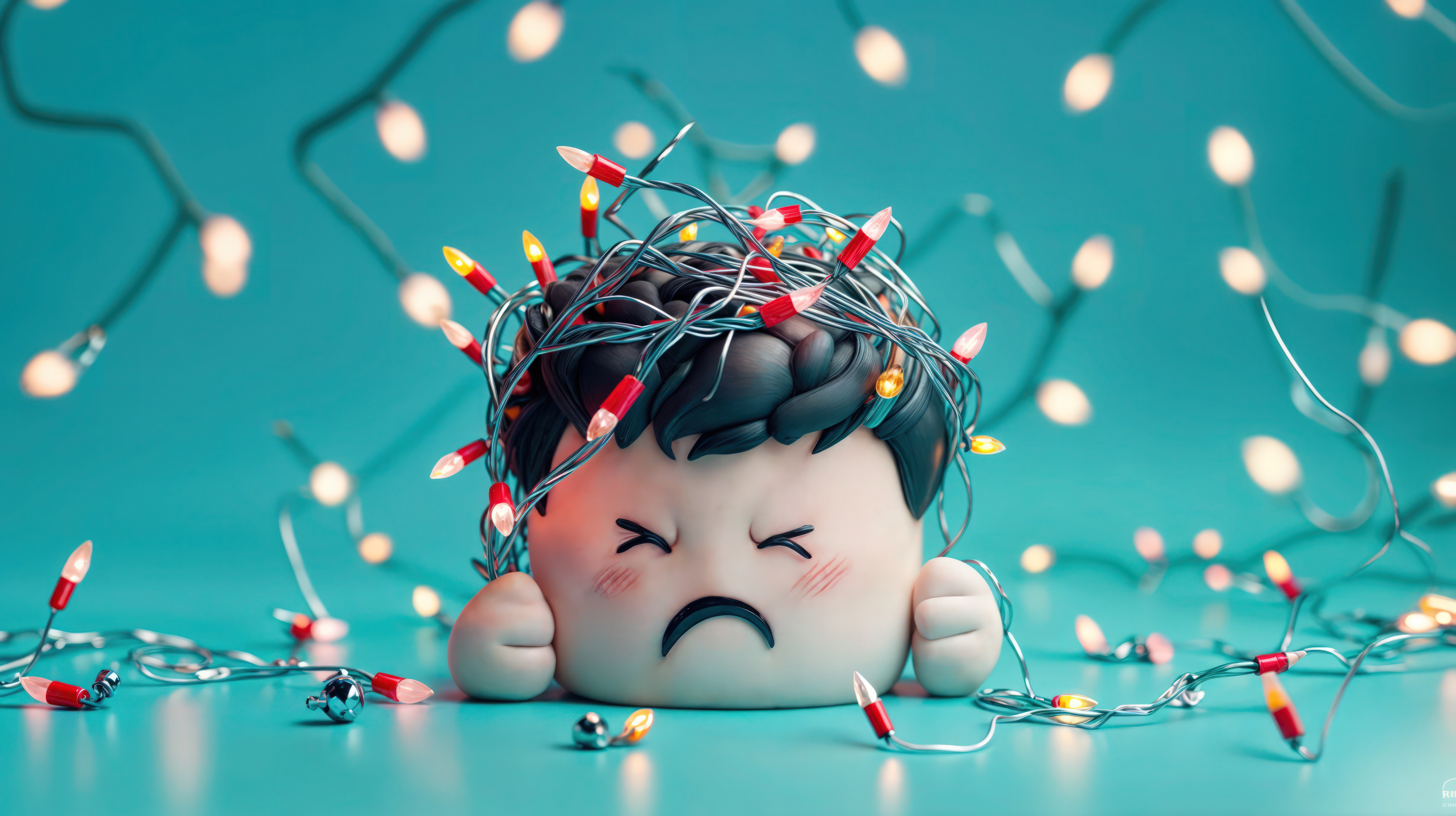
Holiday Stress: Managing It Through Lifestyle Medicine
Let’s be honest. The holidays can be stressful. In our regular day-to-day, many of us are already juggling multiple competing priorities between work, family needs, and finances. The holiday season amplifies these demands. Whatever free time we may usually have is now occupied by parties and events. Gift-giving also adds financial pressure.
Physically, stress can manifest as headaches, fatigue, or digestive issues. Emotionally, it may present as anxiety, irritability, or difficulty concentrating. Personally, I experience heightened anxiety during this time. So, what can we do to enjoy the holidays without the stress? Fortunately, there are evidence-based methods to help us find our Zen this season.
Lifestyle Medicine Strategies to Manage Holiday Stress
Lifestyle medicine is a specialty that focuses on optimizing health in six main areas: nutrition, physical activity, stress, sleep, substance avoidance, and social connections. The holidays typically deliver on the social connections, and this post is dedicated to stress management, so what do the other pillars have to offer?
Nutrition
Balanced nutrition plays a vital role in stress management. Overindulging in sugary and processed foods during the holidays can lead to blood sugar fluctuations, which exacerbate stress and fatigue.
- Tip: Incorporate whole, nutrient-dense foods like leafy greens, nuts, and whole grains to stabilize energy levels and support brain health. Eat the salad and the roasted chestnuts!
- Evidence: Diets rich in fruits, vegetables, and omega-3 fatty acids are associated with lower levels of perceived stress. A systematic review found that adherence to a Mediterranean diet significantly reduces the risk of depression and anxiety.1
Physical Activity
Staying active during the holidays doesn’t require hours at the gym. Elevated cortisol levels drive many of the negative physical and emotional effects of stress. Even short bursts of movement can lower cortisol levels and improve mood.
- Tip: Take a brisk 15-minute walk after meals or turn holiday activities, like decorating, into opportunities for movement. Those turkey trotters are onto something.
- Evidence: Physical activity has been shown to reduce stress and anxiety by lowering cortisol levels and increasing endorphin levels.2,3
Sleep
The excitement and demands of the holiday season often disrupt sleep patterns, leading to fatigue and increased stress.
- Tip: Prioritize 7–9 hours of sleep by establishing a calming pre-sleep routine, such as reading or meditating, and limiting evening screen time.
- Evidence: Sleep disturbances increase vulnerability to stress, while restorative sleep improves emotional resilience.4
Avoidance of Substances
In many cultures, good drink often accompanies good food during social gatherings, but alcohol can negatively impact mental health.
- Tip: Use the holidays as a time to introduce delicious mocktails. My favorite is 100% pomegranate juice with club soda.
- Evidence: Drinking alcohol is often used as a maladaptive coping mechanism to reduce anxiety, but it can also lead to increased anxiety.5
Reclaiming Your Calm
Many of you may be thinking, “Well thanks. I already know those things and am too far gone to incorporate them.” The good news is that it’s never too late to reclaim your calm. We often lose sight of our own needs through the hustle and bustle of the season, but there are ways we can reset.
Stress Reduction Techniques
Simple mindfulness practices can have a profound impact on stress management.
- Tip: Incorporate techniques like deep breathing, progressive muscle relaxation, or mindfulness meditation into your daily routine. Even five minutes can help.
- Evidence: Mindfulness-based stress reduction (MBSR) has been proven effective in reducing perceived stress and improving quality of life.6
Prioritizing Self-Care
You have nothing to give during the season of giving if your tank is empty.
- Tip: Dedicate time to activities that rejuvenate you.
- Evidence: Engaging in self-care activities reduces stress, enhances mood, and promotes better emotional health.7
Planning Ahead
Holiday stress often stems from last-minute rushes and unrealistic expectations. Simple planning strategies can make a significant difference:
- Create a schedule that includes both commitments and downtime.
- Delegate tasks and involve family members to share responsibilities.
- Set realistic expectations to avoid unnecessary pressure.
- Allow yourself the same grace you would give someone else when things don’t go as planned.
Small Steps for Big Impact
You may be tempted to incorporate all of these suggestions at once, but remember the Kaizan effect: small, positive increments of change collectively add to provide a big benefit. For example, in my family, we host Thanksgiving every year, and everyone brings something. It gives everyone a chance to showcase their culinary skills while lightening my kitchen load.
We also have a signature drink every year. This year, we added a pomegranate spritzer made with 100% pomegranate juice, club soda, pomegranate arils, and ice. That’s what I drank all day until I enjoyed a single glass of red wine with dinner. Next year, we’re planning to add a Turkey Trot to our holiday traditions. It’s okay that we didn’t do it this year.
Whether it’s focusing on eating more mindfully, going for a daily walk, or taking five minutes to meditate, every change contributes to your overall well-being.
Putting it all Together
The holiday season doesn’t have to be overwhelming. By incorporating lifestyle medicine strategies, you can navigate this time with greater ease and joy. Remember, the greatest gift you can give to yourself and your loved ones is your health and happiness.
For more tips and tricks remember to follow The Whole Human Health and Wellbeing on Facebook and Instagram or subscribe to the blog: https://thewholehumanhealthandwellbeing.com/blog/
References
1. Lassale C, Batty GD, Baghdadli A, et al. Healthy dietary indices and risk of depressive outcomes: a systematic review and meta-analysis of observational studies. Molecular psychiatry. 2019;24(7):965-986.
2. Wood CJ, Clow A, Hucklebridge F, Law R, Smyth N. Physical fitness and prior physical activity are both associated with less cortisol secretion during psychosocial stress. Anxiety, Stress, & Coping. 2018;31(2):135-145.
3. Posadzki P, Pieper D, Bajpai R, et al. Exercise/physical activity and health outcomes: an overview of Cochrane systematic reviews. BMC public health. 2020;20:1-12.
4. Scott AJ, Webb TL, Martyn-St James M, Rowse G, Weich S. Improving sleep quality leads to better mental health: A meta-analysis of randomised controlled trials. Sleep medicine reviews. 2021;60:101556.
5. Kushner MG, Abrams K, Borchardt C. The relationship between anxiety disorders and alcohol use disorders: a review of major perspectives and findings. Clinical psychology review. 2000;20(2):149-171.
6. Khoury B, Sharma M, Rush SE, Fournier C. Mindfulness-based stress reduction for healthy individuals: A meta-analysis. Journal of psychosomatic research. 2015;78(6):519-528.
7. Myers SB, Sweeney AC, Popick V, Wesley K, Bordfeld A, Fingerhut R. Self-care practices and perceived stress levels among psychology graduate students. Training and Education in Professional Psychology. 2012;6(1):55.