
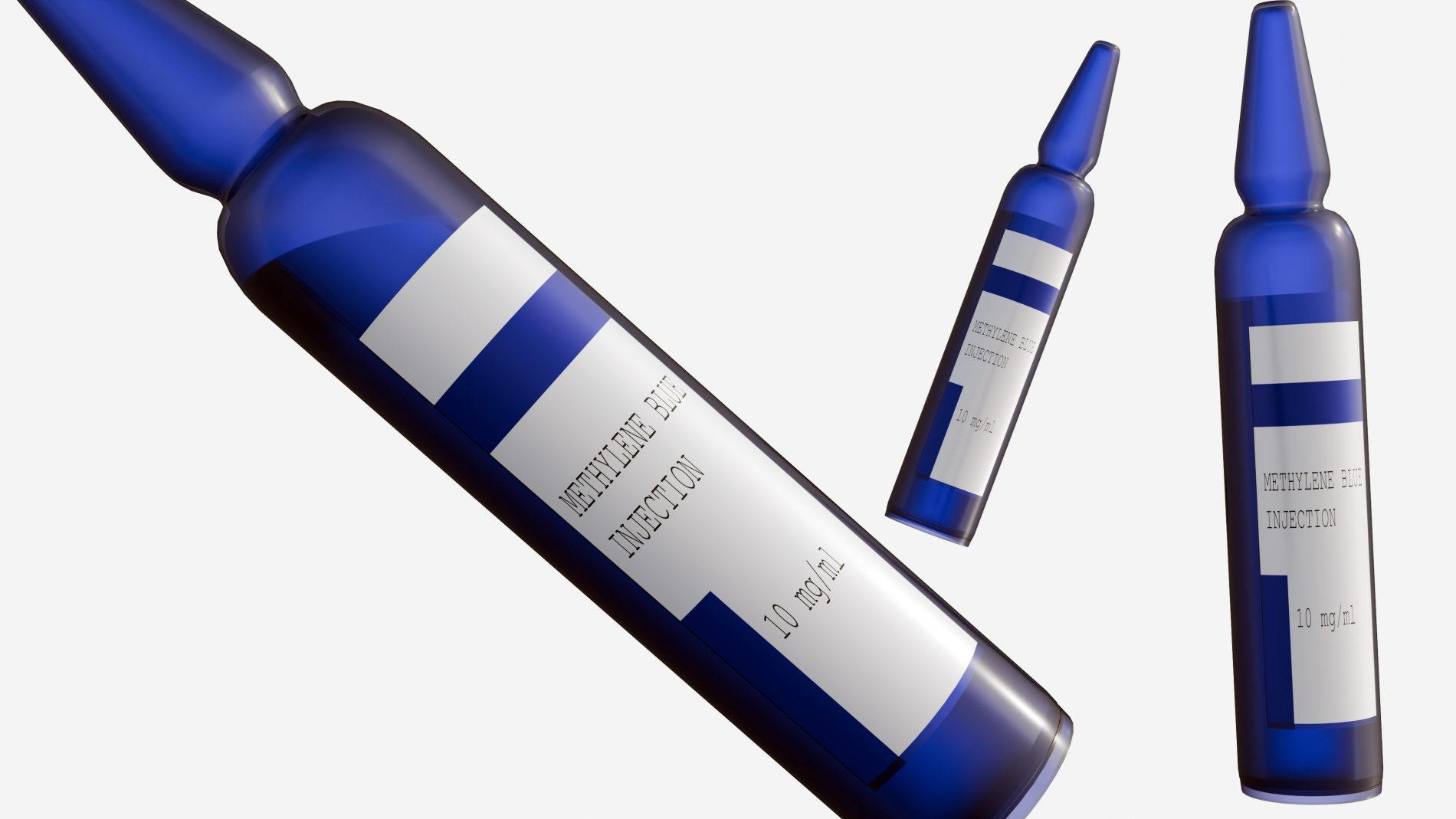
Methylene Blue: Legitimate Treatments, Emerging Uses, Unsupported Claims
Methylene blue has earned its place in the pharmacopeia. The harder question is whether it belongs in your medicine cabinet.
If you missed Part 1, I recommend starting there. We covered the history of methylene blue, its mechanism of action, adverse effects, and contraindications. That foundation will make this discussion much more meaningful.
Today we’re picking up where we left off. The established medical uses of methylene blue are real and well-documented, but they exist in a very different world from the one being described in wellness circles. Depending on the claim, some evidence is promising, some is thin, and some is nonexistent. The goal here is to work through that spectrum of evidence honestly, without dismissing what deserves attention or overstating what doesn’t.
Medically Accepted Uses of Methylene Blue
Before discussing emerging uses of methylene blue (MB), it’s worth a quick recap of its current medical uses. Intravenous MB is FDA-approved for one indication: methemoglobinemia.1 Current off-label uses include refractory septic shock, post-cardiac surgery vasodilatory shock,2 and ifosfamide-induced encephalopathy.3 The oral form is the oldest synthetic antimalarial drug still in clinical use.4
These are the applications with the strongest evidence behind them. Everything from here forward is a different conversation.
Emerging Research: Is Methylene Blue a Valid Clinical Treatment?
Methylene blue’s redox capabilities make it a potential treatment for a number of different conditions. Several areas of clinical research are currently being explored.
Neurodegenerative Conditions: The Human Trial Data
Methylene blue is a proposed treatment for Alzheimer’s disease, Parkinson’s disease, frontotemporal dementia, and other conditions related to tau protein accumulation. The proposed mechanisms include tau aggregation inhibition,5 alternative mitochondrial electron transfer,6 anti-inflammatory and anti-apoptotic effects,7 Nrf2/ARE pathway activation,8 autophagy induction,9 and amyloidogenic pathway modulation.10
Among all proposed neurologic indications, Alzheimer’s disease has the most human clinical data. A small Phase 2, randomized, double-blind, placebo-controlled trial evaluated oral MB at 282 mg/day in 42 participants: 16 healthy older adults, 17 adults with mild cognitive impairment, and 9 patients with mild Alzheimer’s disease. The study showed measurable increases in cerebral blood flow in healthy adults but no significant increases in cognitive benefits.11 The results were never published in a peer-reviewed journal and are available through ClinicalTrials.gov.
A randomized, controlled, double-blind, Phase 3 trial sponsored by TauRx evaluated a stabilized form of leucomethylene blue (LMB) in 891 patients with mild to moderate Alzheimer’s disease and demonstrated no significant benefit compared with the control group in cognitive or functional decline.12 A post-hoc analysis of the data suggested a possible reduction in the rate of brain atrophy and cognitive decline in a small, nonrandomized subgroup of participants receiving MB monotherapy.13 Recall from our previous blog on evaluating research that post-hoc analyses are useful for generating hypotheses but should not be interpreted as proof.
TauRx also evaluated TRx0237, its proprietary stabilized form of LMB, in patients with frontotemporal dementia.14 Trial results were never posted to the clinical trial registry but were later reported in review articles as negative.15 There are promising rodent studies evaluating MB in Parkinson’s disease, but no human clinical trials. Human studies are also lacking in Huntington’s disease, amyotrophic lateral sclerosis (ALS), and traumatic brain injury.
Evidence Summary: There is strong biologic plausibility based on the proposed mechanisms, but there is currently no convincing evidence of clinical effectiveness in humans.
Cognitive Enhancement: Conflicting Results on Brain Performance
The cognitive enhancement hypothesis is based on MB’s ability to act as an alternate electron carrier in the mitochondrial electron transport chain. This is thought to enhance mitochondrial oxygen consumption, ATP production, and reduce reactive oxygen species generation.16
A 2016 randomized, double-blind, placebo-controlled trial evaluated a single 280 mg oral dose of MB in 26 healthy volunteers and demonstrated increased cerebral blood flow and improved memory retrieval.17
A more recent study evaluated MB in both humans and rats and found the opposite effect: a decrease in cerebral blood flow and oxygen extraction at doses as low as 0.5 mg/kg IV.18 The authors proposed that even this relatively low dose may have been enough to trigger the hormetic response expected with MB. A separate neuroimaging study evaluating cerebral blood flow and oxygen extraction after MB administration reported similar findings.19
Evidence Summary: Once again, there is biological plausibility, but the evidence remains limited. The available human studies are very small and point in opposite directions. No conclusions can be drawn from the current data.
Psychiatric Illness: Mood Disorders and Fear Extinction
There are three main mechanisms proposed for the use of MB in treating depression, bipolar disorder, and posttraumatic stress disorder (PTSD).
The first is MAO-A inhibition, which allows monoamine neurotransmitters such as dopamine and serotonin to accumulate.6
The second is inhibition of nitric oxide (NO) and guanylate cyclase.20 Mood disorders, anxiety, and psychosis have been associated with dysfunction of the NO-cGMP signaling pathway, and inhibition of this pathway has independently been associated with antidepressant effects.21
The third is MB’s role as an alternate mitochondrial electron carrier, as mitochondrial dysfunction may contribute to bipolar disorder and depression.19 An additional historical note is that MB is structurally related to phenothiazines and served as the lead compound in the development of chlorpromazine and later tricyclic antidepressants.22
Studies dating back to the 1980s suggested improvement in depressive symptoms among patients with bipolar disorder. One demonstrated improvement when used in combination with lithium therapy,23 and an open-label study showed improvement in 14 of 19 patients who had failed standard therapy.24 Both studies were small.
A 2017 double-blind, crossover, randomized-controlled trial demonstrated that 195 mg/day of oral MB improved depression, reduced anxiety, and did not induce mania in patients with bipolar disorder.25
There are no modern studies evaluating MB for major depressive disorder alone.
The PTSD literature focuses on fear extinction. One theory proposes that individuals with PTSD have impaired extinction learning. Their brains fail to recognize that a previously dangerous stimulus is no longer threatening, leaving them in a persistent state of hypervigilance.
A 2014 trial demonstrated that administering 260 mg of oral MB after successful fear-extinction training improved retention. However, MB had deleterious effects when administered after unsuccessful extinction sessions. The hypothesis was that MB strengthens whichever memory is active at the time of administration.26
A 2017 study suggested that the initial response to MB may be delayed before an accelerated recovery occurs.27
Evidence Summary: There are small but promising human studies evaluating MB for bipolar disorder and PTSD. No modern clinical data exist for depression alone. There are already many FDA-approved psychiatric medications available, but MB may eventually have a role in carefully selected refractory cases. This is an area worth
Cancer Therapy: The Nanoparticle Clearance Barrier
The hypothesis is that MB may have anti-cancer properties through both its photodynamic effects and its ability to reverse the Warburg effect. We covered photodynamic properties in Part 1. The Warburg effect describes the tendency of cancer cells to produce ATP primarily through glycolysis rather than mitochondrial oxidative phosphorylation, even in the presence of oxygen. The theory is that this pathway generates metabolic intermediates that can be diverted toward cellular growth and replication.28
Most of the available evidence is preclinical, consisting of cell culture and animal studies. There are no large human clinical trials.
One major barrier to clinical application is technology. Free MB is rapidly cleared from plasma and has poor tumor targeting. Current research is focused on nanoparticle delivery systems designed to improve tumor accumulation.29
Evidence Summary: Much more research is needed before MB can be considered a viable treatment for human cancers.
Mitochondrial Syndromes: Why Human Evidence Is Lacking
This indication seems intuitive given MB’s ability to accept electrons from NADH and deliver them directly to cytochrome C. Unfortunately, there are no published clinical trials evaluating MB in primary mitochondrial disease. A 2011 cell culture study evaluated MB in fibroblasts from patients with Leigh syndrome and demonstrated restoration of ATP production together with significantly improved cell survival.30
There are several reasons why clinical trials have not been performed. Primary mitochondrial diseases are rare, making adequately powered clinical trials difficult. In addition, primary mitochondrial diseases result from mutations in many different genes that affect different components of the electron transport chain. Because of this genetic heterogeneity, it is difficult to predict how MB would affect an individual patient. While MB could theoretically improve electron transport in some patients, it could also theoretically disrupt otherwise normally functioning portions of the electron transport chain because of its hormetic properties. This variability makes it difficult to identify appropriate patient populations and interpret the results of clinical trials. Lastly, MB is a generic, off-patent compound, so there is little commercial incentive to fund clinical trials for a rare disease.
Evidence Summary: MB could potentially have a real impact in mitochondrial disease, but there is currently no clinical evidence to support its use.
Antimicrobial Action: A Viable Choice for Topical Use
When photoactivated at 630-680 nm, MB generates reactive oxygen species that kill bacteria through a mechanism independent of traditional antibiotics, making bacterial resistance unlikely. It has demonstrated activity against skin infections caused by methicillin resistant Staphylococcus aureus, Pseudomonas aeruginosa, and Escherichia coli.31 Most human studies evaluate topical use and demonstrate bactericidal activity. No large human studies have evaluated systemic treatment because the concentrations required to kill bacteria exceed doses considered safe for humans.
Evidence Summary: MB is a potentially useful option for topical antibacterial therapy, but not systemic treatment.
Fact-Checking Popular Methylene Blue Wellness Claims
There are a lot of very positive proclamations about MB in the wellness space. Let’s look at each of these claims and the evidence behind them.
"It Boosts Mitochondria" (The ATP Yield Paradox)
The mechanism often cited here is MB’s ability to bypass portions of the electron transport chain. The problem is that the electron transport chain normally produces approximately 2.5 molecules of ATP from 1 molecule of NADH. In the presence of MB, fewer hydrogen ions are pumped into the intermembrane space, and those hydrogen ions are what power ATP synthase. The result is only approximately 0.5 molecules of ATP per molecule of NADH.
In other words, MB is not boosting mitochondrial ATP production. Healthy mitochondria actually produce more ATP without it. There is no documented clinical benefit in otherwise healthy people.
Evidence Summary: There is no human evidence that MB improves mitochondrial function in healthy individuals.
"It Increases Daily Energy" (The Biomarker Problem)
It is very possible that people feel more energetic, more focused, and less fatigued when taking MB. The problem is that there is no way to prove MB is responsible. Are there mechanistic hypotheses that could theoretically support this? Absolutely. But a proposed mechanism is not the same as a clinical outcome.
One major problem is the absence of biomarkers that demonstrate MB is producing the desired effect. There are multiple reasons people experience low energy. Some are medical, and we can objectively measure them. For example, we can measure TSH and free T4 to diagnose hypothyroidism, treat it, and then measure the response. With MB, we have none of that. There are no reliable biomarkers to confirm it is doing anything at all.
There are also causes of low energy that lack objective biomarkers. Many are related to nutrition, exercise, and other lifestyle factors, while others, such as depression, are medical conditions without a laboratory test. Someone could take MB and genuinely feel better, but without an objective way to measure treatment effect, we have no way of knowing whether that improvement resulted from MB or placebo.
Evidence Summary: There is currently no objective evidence that MB increases energy in otherwise healthy people.
"It Clears Brain Fog from Long COVID and Chronic Fatigue"
Methylene blue is often promoted for brain fog related to long COVID, chronic fatigue, mold illness, Lyme disease, and a variety of other conditions. Again, the mechanistic argument is compelling, and, as discussed above, there are limited data suggesting possible cognitive effects. However, there are also studies demonstrating conflicting results.
There is a paucity of definitive evidence supporting this claim. I performed a brief PubMed search using the search terms “methylene blue” AND “brain fog”, filtering for clinical trials, randomized controlled trials, and meta-analyses. The search returned no studies.
ClinicalTrials.gov had one registered study. It was last updated in 2017, and no results have been posted.
Evidence Summary: There is currently no published human evidence demonstrating that MB improves brain fog.
"It Serves as an Anti-Aging and Lifespan Agent"
The claim is that MB improves mitochondrial function, reduces oxidative damage, and extends lifespan. I’ve already addressed the mitochondrial function claim. MB has been shown to reduce reactive oxygen species at low doses in cell culture and animal studies. No human studies have confirmed this. When it comes to extending lifespan, there are no studies demonstrating this in either animals or humans.
Evidence Summary: There is no evidence that MB slows aging or extends lifespan in humans.
"It Is a Powerful Biohacking Performance Tool"
I may write a separate blog post dedicated to biohacking because it is everywhere. Until then, I’ll simply say that most “biohacking” data comes from preclinical studies performed in cell cultures and rodents. The claim is that MB enhances mitochondrial efficiency, improves cognition, and boosts exercise performance. The cognitive evidence has already been discussed. Regarding exercise performance, human evidence is nonexistent. The most relevant animal study I found dates back to 1986. Dogs given 4 mg/kg IV MB showed no change in the relationship between cardiac output and total body oxygen consumption, although there was evidence of improved NADH oxidation.32 That’s the extent of the evidence.
Evidence Summary: There is currently no human evidence supporting MB as a biohacking or performance enhancing agent.
When you look across all of these wellness claims, the pattern is remarkably consistent. The argument repeatedly jumps from “MB can do this in a cell” to “MB will improve your health, energy, cognition, recovery, and lifespan.” That is a very large leap, and one that current human evidence simply does not support.
The Hidden Risks: Gaps Between Clinical Reality and Wellness Claims
When we compare the medical uses of MB with the wellness claims, several important gaps become apparent.
The first is the leap from disease treatment to human optimization. The risk-benefit calculation for using MB to save someone’s life in methemoglobinemia, septic shock, or postoperative vasodilatory shock is completely different from using it in a healthy person seeking theoretical improvements in energy, cognition, and performance. A benefit in a diseased population does not establish the same benefit in a healthy one.
We also cannot identify who might benefit. There are no validated biomarkers of mitochondrial dysfunction used in routine clinical practice and no reliable way to determine whether any subjective improvement represents a true physiologic effect or simply placebo.
The second gap is one that comes up repeatedly in the supplement and wellness world: mechanism does not equal clinical outcome. We discussed this same issue with peptides. Just because MB can affect electron transport, ATP production, oxidative stress, or cellular metabolism does not mean those effects translate into meaningful improvements in fatigue, cognition, or lifespan.
The third gap is duration of use. Current medical uses of MB are generally short-term. Once the underlying condition resolves, treatment stops. Wellness use is fundamentally different, often involving daily dosing for months or years. We have essentially no long-term safety data for that pattern of use.
The final gap, and perhaps the most important, is product quality. Hospitals obtain prescription-grade, FDA-approved MB through pharmaceutical manufacturers, wholesale medical distributors, and regulated pharmacies. What many people do not realize is that MB is sold in multiple forms, including laboratory reagents, aquarium and fish tank products, and industrial dyes. When MB is obtained outside a regulated medical supply chain, there is no guarantee of concentration, purity, third-party testing, or compliance with pharmaceutical manufacturing standards. This is not a minor issue. It is a legitimate safety concern.
The Medical Verdict: Real Potential vs. Fatal Risks
I can’t believe I am going to say this, but I think there may actually be something here. MB probably does have beneficial applications beyond its current medical uses. It is a versatile compound with unique capabilities, and I think it would be naïve to dismiss the possibility that future research will identify additional therapeutic applications.
But I say that with considerable caution. Before I’d support the wellness use of MB, I want reliable biomarkers that can objectively measure mitochondrial function and treatment response. There is emerging research in this area, and I hope it continues to develop. I’d also want a much clearer understanding of the long-term safety of chronic dosing.
I am also cautious about dose. Some of the studies discussed above demonstrated adverse effects at doses as low as 0.5 mg/kg, well below the currently accepted 2 mg/kg threshold discussed in Part 1. The drug interactions are serious and well-characterized. Serotonin syndrome can be fatal. Hemolytic anemia with G6PD deficiency can also be fatal, and G6PD deficiency affects an estimated 500 million people worldwide. Finally, the idea of inadvertently impairing a healthy, well-functioning electron transport chain with a compound intended to enhance it is a legitimate concern.
The mechanisms are real. The potential is real. The evidence, for now, is not.
Disclaimer: Even though I’m a doctor, I’m not your doctor—and reading this blog does not establish a doctor–patient relationship. This information is intended for general educational purposes only and should not be taken as personalized medical advice. Always speak with your own healthcare provider before making decisions about your health.
References
- Iolascon A, Bianchi P, Andolfo I, et al. Recommendations for diagnosis and treatment of methemoglobinemia. American Journal of Hematology. 2021;96(12):1666-1678. doi:https://doi.org/10.1002/ajh.26340
- Prescott HC, Antonelli M, Alhazzanic W, et al. Surviving Sepsis Campaign: international guidelines for management of sepsis and septic shock 2026. Intensive care medicine. 2026:1-74.
- Alqahtani S, Bitar SD, Mireles ME, et al. Ifosfamide-Induced Encephalopathy in Children and Young Adults: The MD Anderson Cancer Center Experience. Cancers (Basel). Jun 29 2025;17(13)doi:10.3390/cancers17132192
- Lu G, Nagbanshi M, Goldau N, et al. Efficacy and safety of methylene blue in the treatment of malaria: a systematic review. BMC Med. Apr 25 2018;16(1):59. doi:10.1186/s12916-018-1045-3
- Huang Y, Wen J, Ramirez LM, et al. Methylene blue accelerates liquid-to-gel transition of tau condensates impacting tau function and pathology. Nat Commun. Sep 6 2023;14(1):5444. doi:10.1038/s41467-023-41241-6
- Tucker D, Lu Y, Zhang Q. From Mitochondrial Function to Neuroprotection-an Emerging Role for Methylene Blue. Mol Neurobiol. Jun 2018;55(6):5137-5153. doi:10.1007/s12035-017-0712-2
- Gureev AP, Sadovnikova IS, Popov VN. Molecular Mechanisms of the Neuroprotective Effect of Methylene Blue. Biochemistry (Moscow). 2022/09/01 2022;87(9):940-956. doi:10.1134/S0006297922090073
- Stack C, Jainuddin S, Elipenahli C, et al. Methylene blue upregulates Nrf2/ARE genes and prevents tau-related neurotoxicity. Hum Mol Genet. Jul 15 2014;23(14):3716-32. doi:10.1093/hmg/ddu080
- Congdon EE, Wu JW, Myeku N, et al. Methylthioninium chloride (methylene blue) induces autophagy and attenuates tauopathy in vitro and in vivo. Autophagy. Apr 2012;8(4):609-22. doi:10.4161/auto.19048
- Mori T, Koyama N, Segawa T, et al. Methylene blue modulates β-secretase, reverses cerebral amyloidosis, and improves cognition in transgenic mice. J Biol Chem. Oct 31 2014;289(44):30303-30317. doi:10.1074/jbc.M114.568212
- ClinicalTrials.gov. Cognitive and Functional Connectivity Effects of Methylene Blue in Healthy Aging, Mild Cognitive Impairment and Alzheimer’s Disease. National Institutes of Health. Updated September 19, 2024. Accessed June 8, 2026. https://clinicaltrials.gov/study/NCT02380573?cond=Alzheimer%20Disease&intr=Methylene%20Blue&viewType=Card&rank=1#contacts-and-locations
- Gauthier S, Feldman HH, Schneider LS, et al. Efficacy and safety of tau-aggregation inhibitor therapy in patients with mild or moderate Alzheimer’s disease: a randomised, controlled, double-blind, parallel-arm, phase 3 trial. Lancet. Dec 10 2016;388(10062):2873-2884. doi:10.1016/s0140-6736(16)31275-2
- Wilcock GK, Gauthier S, Frisoni GB, et al. Potential of Low Dose Leuco-Methylthioninium Bis(Hydromethanesulphonate) (LMTM) Monotherapy for Treatment of Mild Alzheimer’s Disease: Cohort Analysis as Modified Primary Outcome in a Phase III Clinical Trial. J Alzheimers Dis. 2018;61(1):435-457. doi:10.3233/jad-170560
- ClinicalTrials.gov. Safety and Efficacy Study Evaluating TRx0237 in Subjects With Behavioral Variant Frontotemporal Dementia (bvFTD). National Institutes of Health. Accessed June 8, 2026. https://clinicaltrials.gov/study/NCT01626378?term=NCT01626378&viewType=Card&rank=1
- Boeve BF, Boxer AL, Kumfor F, Pijnenburg Y, Rohrer JD. Advances and controversies in frontotemporal dementia: diagnosis, biomarkers, and therapeutic considerations. Lancet Neurol. Mar 2022;21(3):258-272. doi:10.1016/s1474-4422(21)00341-0
- Rojas JC, Bruchey AK, Gonzalez-Lima F. Neurometabolic mechanisms for memory enhancement and neuroprotection of methylene blue. Prog Neurobiol. Jan 2012;96(1):32-45. doi:10.1016/j.pneurobio.2011.10.007
- Rodriguez P, Zhou W, Barrett DW, et al. Multimodal Randomized Functional MR Imaging of the Effects of Methylene Blue in the Human Brain. Radiology. Nov 2016;281(2):516-526. doi:10.1148/radiol.2016152893
- Singh N, MacNicol E, DiPasquale O, et al. The effects of acute Methylene Blue administration on cerebral blood flow and metabolism in humans and rats. J Cereb Blood Flow Metab. Nov 2023;43(2_suppl):95-105. doi:10.1177/0271678×231157958
- Russo A, Örzsik B, Yalin N, et al. Altered oxidative neurometabolic response to methylene blue in bipolar disorder revealed by quantitative neuroimaging. J Affect Disord. Oct 1 2024;362:790-798. doi:10.1016/j.jad.2024.07.029
- Ballarin RS, Lazzarin T, Zornoff L, et al. Methylene blue in sepsis and septic shock: a systematic review and meta-analysis. Front Med (Lausanne). 2024;11:1366062. doi:10.3389/fmed.2024.1366062
- Delport A, Harvey BH, Petzer A, Petzer JP. Methylene blue and its analogues as antidepressant compounds. Metab Brain Dis. Oct 2017;32(5):1357-1382. doi:10.1007/s11011-017-0081-6
- de Beer F, Petzer JP, Petzer A. Monoamine oxidase inhibition by selected dye compounds. Chemical Biology & Drug Design. 2020;95(3):355-367. doi:https://doi.org/10.1111/cbdd.13654
- Naylor GJ, Martin B, Hopwood SE, Watson Y. A two-year double-blind crossover trial of the prophylactic effect of methylene blue in manic-depressive psychosis. Biol Psychiatry. Aug 1986;21(10):915-20. doi:10.1016/0006-3223(86)90265-9
- Narsapur SL, Naylor GJ. Methylene blue. A possible treatment for manic depressive psychosis. J Affect Disord. May 1983;5(2):155-61. doi:10.1016/0165-0327(83)90008-3
- Alda M, McKinnon M, Blagdon R, et al. Methylene blue treatment for residual symptoms of bipolar disorder: randomised crossover study. Br J Psychiatry. Jan 2017;210(1):54-60. doi:10.1192/bjp.bp.115.173930
- Telch MJ, Bruchey AK, Rosenfield D, et al. Effects of post-session administration of methylene blue on fear extinction and contextual memory in adults with claustrophobia. Am J Psychiatry. Oct 2014;171(10):1091-8. doi:10.1176/appi.ajp.2014.13101407
- Zoellner LA, Telch M, Foa EB, et al. Enhancing Extinction Learning in Posttraumatic Stress Disorder With Brief Daily Imaginal Exposure and Methylene Blue: A Randomized Controlled Trial. J Clin Psychiatry. Jul 2017;78(7):e782-e789. doi:10.4088/JCP.16m10936
- Yang SH, Li W, Sumien N, Forster M, Simpkins JW, Liu R. Alternative mitochondrial electron transfer for the treatment of neurodegenerative diseases and cancers: Methylene blue connects the dots. Prog Neurobiol. Oct 2017;157:273-291. doi:10.1016/j.pneurobio.2015.10.005
- Lim DJ. Methylene Blue-Based Nano and Microparticles: Fabrication and Applications in Photodynamic Therapy. Polymers (Basel). Nov 16 2021;13(22)doi:10.3390/polym13223955
- Legault J, Larouche PL, Côté I, et al. Low-concentration methylene blue maintains energy production and strongly improves survival of Leigh syndrome French Canadian skin fibroblasts. J Pharm Pharm Sci. 2011;14(3):438-49. doi:10.18433/j3m01x
- Cardozo APM, da Silva DdFT, Fernandes KPS, et al. Antimicrobial photodynamic therapy with methylene blue and its derivatives in animal studies: Systematic review. Photodermatology, Photoimmunology & Photomedicine. 2024;40(4):e12978. doi:https://doi.org/10.1111/phpp.12978
- Imai N, Paley JI, Barold HS, Liang CS. Effect of methylene blue on cardiac output response to exercise in dogs. J Appl Physiol (1985). Dec 1986;61(6):2012-7. doi:10.1152/jappl.1986.61.6.2012