
Stronger Bones at Any Age: Understanding Bone Loss and How to Fight It
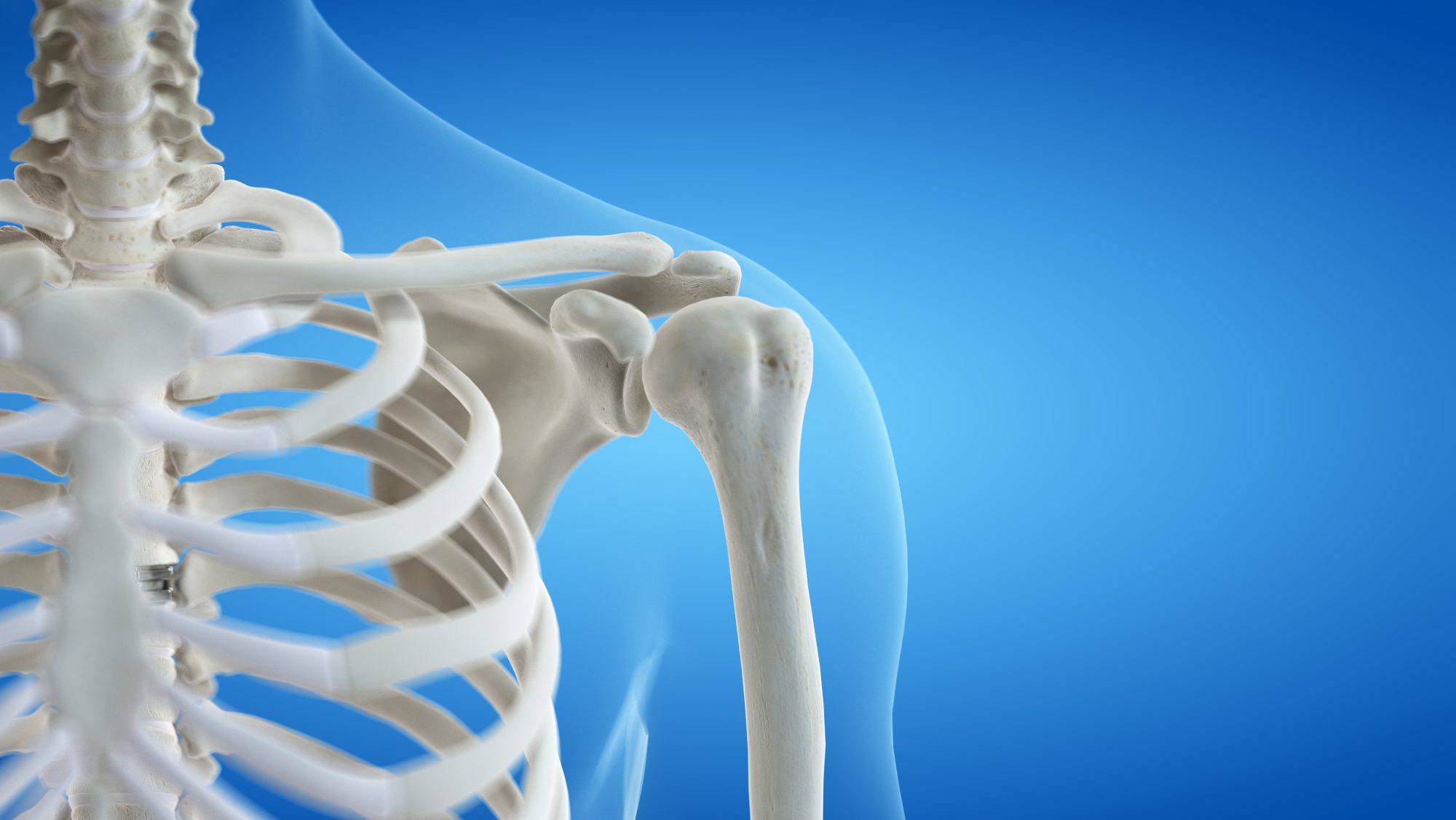
Think of any building. The first uprights are the foundation and framework that hold up the entire construction. Our bones play this role for us. They are the framework our muscles and ligaments attach to and allow us to be upright, mobile, and functional. Unfortunately, they weaken over time. We often peak in bone mass by our late twenties or early thirties, and from there, a slow decline begins. For women, this decline speeds up after menopause. While the process of bone loss is slower for men, it is still significant over time. The good news is there’s a lot we can do to support stronger bones, no matter our age.
The Biology of Bone Loss
Bone is constantly remodeling. Two main cell types manage this process: osteoblasts, which build bone, and osteoclasts, which break it down. In youth, these systems are balanced. As we age, osteoclast activity often outpaces osteoblast activity, tipping the scale toward net bone loss.1 This imbalance is worsened by other factors, including chronic inflammation, declining physical activity, hormonal shifts, reduced nutrient absorption, and smoking and alcohol use.2,3 Together, they contribute to a higher risk of fractures, particularly in the hips, spine, and wrist.3
Work Your Bones
Ever hear of the adage, “If you don’t use it, you’ll lose it.” The body is extremely efficient, and if you don’t stress your bones and muscles, you will lose them. That is why it is important to stress your bones with exercise,4 but not all exercises promote bone growth. Dynamic exercises, those that are weight-bearing and involve moving your joints, are the best for improving bone strength. For example, swimming is great for cardiovascular improvement but doesn’t have the same impact on bone development as running. Additionally, holding a plank will increase your core stability but will do very little to improve bone strength.5 Incorporate dynamic exercises twice per week in order to achieve positive changes.
Nourish Your Bones
Bones require specific minerals to use as building blocks for growth. Mainly, calcium, protein, vitamin D, and vitamin K, but there are other nutrient needs as well. It is very important to eat the appropriate foods that will supply these nutrients. Calcium, found in leafy greens, fortified plant milks, tofu, and dairy products, plays a foundational role in bone structure. Magnesium and potassium—plentiful in legumes, nuts, and produce—help regulate bone turnover and reduce bone-depletion. Zinc, copper, and manganese, found in whole grains, seeds, and legumes, support collagen formation and mineralization. Vitamin K from leafy greens aids in activating bone-building proteins like osteocalcin, while vitamin C supports the formation of collagen within the bone matrix. Even phytoestrogens from soy foods may offer protective effects, particularly for women after menopause. A nutrient-dense diet rich in fruits, vegetables, whole grains, and plant-based proteins provides many of the vitamins and minerals essential for maintaining bone health.3
Boost Your Bones
While a well-balanced diet will adequately provide everything needed to promote healthy bones, some people may not always get all the nutrients they need through food alone. That’s when supplements come into play. So, here’s the breakdown on supplements for bone health.
Calcium & Vitamin D3 – Calcium is essential, but it’s not enough on its own. Calcium needs cofactors to be properly absorbed and directed where it belongs: into the bones, not into blood vessels or soft tissue. That’s where vitamin D3 enters. It plays a central role in calcium absorption from the gut. Without adequate D3, calcium isn’t absorbed effectively, no matter how much we consume. Studies show that the combination of calcium and vitamin D3 can reduce the risk of fractures in older adults and postmenopausal women.6
Vitamin K2 – This is a lesser-known nutrient that helps D3 work even better. K2, especially in its MK-7 form, helps activate osteocalcin, a protein that binds calcium into the bone matrix, and matrix Gla-protein, which prevents calcium from depositing in arteries. This synergy not only improves bone density but may also protect cardiovascular health.7,8
While these supplements are helpful, it is important to discuss the fact that they can also cause harm when taken in excess, so they should only be taken under the care and direction of your physician.
Putting It All Together
Bones get weaker with age, but we can do something about it. It’s always better if we put the work into this when we are younger, but it can be started at any age. If you haven’t had a DEXA scan, I suggest meeting with your doctor to get the test to determine your current bone mineral density and then get to work. Make the dietary changes, the movement changes, and the supplemental changes if needed.
Disclaimer: This blog is for informational purposes only and does not constitute medical advice. Although Dr. Kalantari is a physician, reading this blog does not establish a doctor–patient relationship. Please consult your own physician before making any medical decisions or changes to your health care plan.
References
- Jann J, Gascon S, Roux S, Faucheux N. Influence of the TGF-β superfamily on osteoclasts/osteoblasts balance in physiological and pathological bone conditions. International journal of molecular sciences. 2020;21(20):7597.
- Sfeir JG, Drake MT, Khosla S, Farr JN. Skeletal aging. Elsevier; 2022:1194-1208.
- Prentice A. Diet, nutrition and the prevention of osteoporosis. Public health nutrition. 2004;7(1a):227-243.
- Turner CH, Robling AG. Mechanisms by which exercise improves bone strength. Journal of bone and mineral metabolism. 2005;23:16-22.
- Turner CH, Robling AG. Exercises for improving bone strength. British journal of sports medicine. 2005;39(4):188-189.
- Weaver C, Alexander D, Boushey C, et al. Calcium plus vitamin D supplementation and risk of fractures: an updated meta-analysis from the National Osteoporosis Foundation. Osteoporosis International. 2016;27:367-376.
- Geleijnse JM, Vermeer C, Grobbee DE, et al. Dietary intake of menaquinone is associated with a reduced risk of coronary heart disease: the Rotterdam Study. The Journal of nutrition. 2004;134(11):3100-3105.
- Cockayne S, Adamson J, Lanham-New S, Shearer MJ, Gilbody S, Torgerson DJ. Vitamin K and the prevention of fractures: systematic review and meta-analysis of randomized controlled trials. Archives of internal medicine. 2006;166(12):1256-1261.
One comment on “Stronger Bones at Any Age: Understanding Bone Loss and How to Fight It”
Pingback: